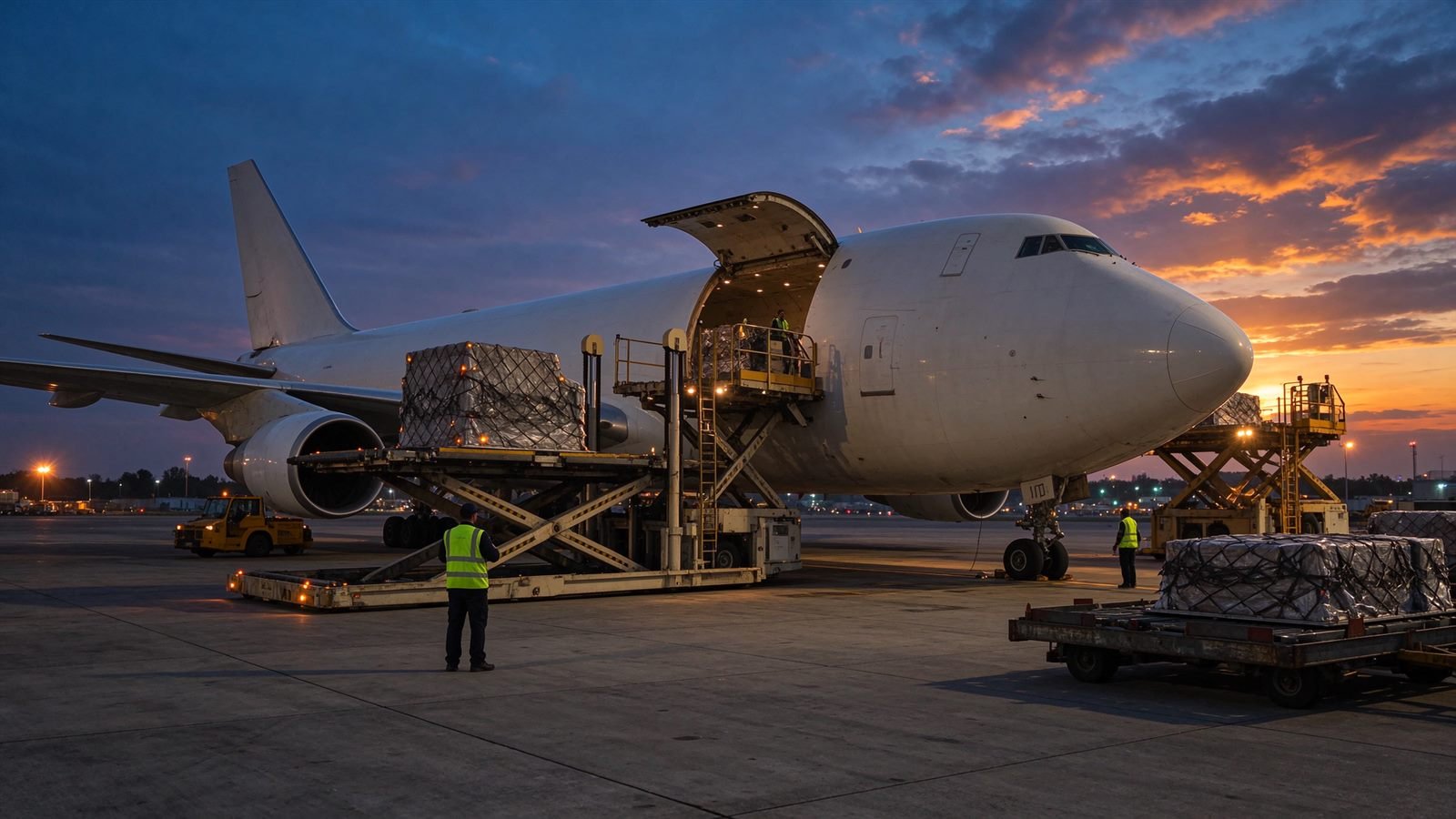
International shipping is the line item that surprises people. A $30 order can cost $25 to fly, and a cheap bulky item can cost more to ship than to buy. The good news: the price is mechanical, not mysterious — once you know the three variables, you can predict it.
Variable one: chargeable weight
Couriers charge for whichever is higher — the actual weight on the scale, or the volumetric weight calculated from the box size. For most lines the volumetric divisor is 6000:
Volumetric kg = length × width × height (cm) ÷ 6000
A 40 × 30 × 30 cm box weighs about 6 kg volumetrically even if it only contains a 1.5 kg jacket. This is why stripping retail packaging matters: it reduces both the box size and the chargeable weight.
Variable two: the line you choose
Express air (DHL, FedEx, UPS) — fastest, most expensive, best tracking, best for high-value or deadline-driven orders. Typically 3–6 business days to major cities.
Standard air line — commercial air consolidation. 7–12 business days, 30–40% cheaper than express, full tracking. The default for most orders.
Sea freight (LCL) — 28–45 days, cheapest per kilo, ideal above roughly 30 kg or for bulky non-urgent goods. Port-to-port unless you add a door delivery leg.
Variable three: the destination
The same 2 kg parcel costs different amounts to Texas, Berlin, Riyadh and São Paulo. Remote postcodes, island addresses and countries with limited air capacity add a surcharge. Batteries, liquids, magnets and powders add another.
What is not included
Duty, import VAT and customs brokerage. Every country sets its own thresholds — the US de minimis rules have changed repeatedly, the EU charges VAT on essentially all imports, Brazil and Turkey are strict. We declare goods accurately and send a commercial invoice; we do not under-declare, and we will not pretend a $200 handbag is a $12 gift.
Items that change the price or cannot fly
- Lithium batteries: small batteries inside devices often fly on specific lines; power banks and loose cells usually cannot.
- Liquids, aerosols, powders: restricted or banned by air; some sea routes accept them in limited quantities.
- Magnets, lasers, knives, e-cigarettes: carrier-specific bans. Ask before buying.
- Counterfeits: not a shipping question. Seized, destroyed, and the sender is liable.
A realistic timeline
Order approved Monday → purchased Monday → seller delivers to Guangzhou Thursday → inspected and photographed Friday → consolidated and dispatched Saturday → express delivered the following Wednesday, or standard air the week after, or sea freight five weeks later.
Three habits that lower the bill
- Batch your orders. 90 days of free storage exists so you can wait for a slow seller instead of paying for two shipments.
- Choose value over speed where you can. Standard air is usually half the price of express for a week’s difference.
- Buy light. The best categories — figures, keycaps, apparel, cases, accessories — are light and high-value. A ceramic teapot is lovely and expensive to fly.